
Ethanol and Flex Fuel for Fleets
Federal rules, station access and making flex fuel work day to day.
AFDC Fleet ResourcesFor fleet managers, ethanol is mostly about two things: flex fuel vehicles and access to E85. Here is how they fit together.
Federal Fleet Rules
- Federal fleets have alternative fuel vehicle acquisition requirements under the Energy Policy Act of 1992; flex fuel vehicles count as alternative fuel vehicles. The Federal Energy Management Program explains them.
- State government and alternative fuel provider fleets may be covered by EPAct requirements, which they meet through Standard Compliance (acquiring alternative fuel vehicles) or Alternative Compliance (reducing petroleum use). See DOE’s EPAct state and fuel provider fleet program.
- Many private and local government fleets are not covered, but use ethanol and FFVs for their own goals.
Making Flex Fuel Work in a Fleet
- Map stations first. Use the station locator to see where E85 is available along regular routes before buying FFVs for that purpose.
- Consider on-site fueling. Fleets with central yards sometimes install their own E85 tanks; this involves fire codes, permits and equipment compatibility.
- Train drivers. Many drivers default to regular gasoline. Clear instructions, decals and station maps help.
- Track fuel data. Fuel cards and on-site records show which fuel each vehicle actually used.
- Plan for range. Lower miles per gallon on E85 means more frequent fueling.
- Keep conventional vehicles on approved fuels. E15 is fine for 2001 and newer light-duty vehicles but not for heavy-duty trucks, motorcycles or off-road equipment.
Ethanol in a Mixed Fleet
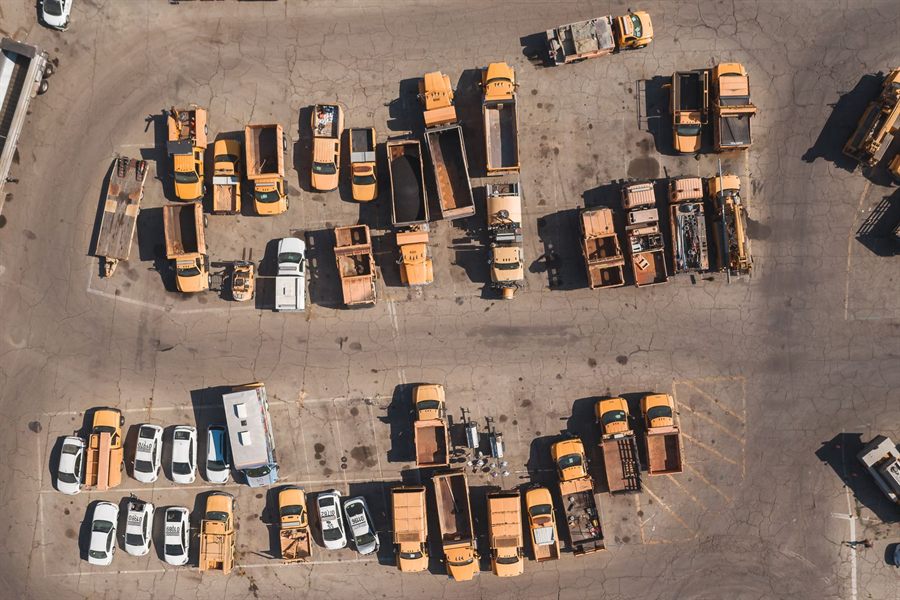
Most fleets mix vehicle types: sedans and light trucks that can use E10 or E15, flex fuel vehicles that can use anything up to E85, heavy-duty trucks limited to E10, and off-road equipment such as mowers and generators that must not use E15 or higher. Label fuel tanks, cans and equipment clearly, give drivers a simple chart of what each unit may use, and make sure on-site pumps can’t be confused. A short written policy, reviewed when new vehicles arrive, prevents costly misfueling and keeps warranty questions simple.
Where Fleets Get Help
The AFDC fleet resources collect case studies, tools and data for fleet managers. Local Clean Cities coalitions, part of the Department of Energy’s Clean Cities network, work with fleets on alternative fuels and can connect you with nearby fueling options and other fleets that use ethanol.
Fleet Ethanol FAQ
Are fleets required to use ethanol?
Not in general. Certain federal, state government and alternative fuel provider fleets are covered by Energy Policy Act requirements on alternative fuel vehicles and fuel use. Covered fleets should check the exact rules with DOE’s EPAct program or the Federal Energy Management Program.
How can a fleet tell if drivers actually use E85?
Fuel card data and on-site fueling records show which fuel was bought. Many fleets pair driver training and station maps with that data to raise E85 use in flex fuel vehicles.
Explore Fleet Resources
Browse the U.S. Department of Energy’s alternative fuel resources for fleet managers.
AFDC Fleet Resources