Ethanol Fuel, Explained
E10, E15, E85, flex fuel and ethanol-free gas — what goes in your tank and why.
Find E85 StationsEthanol Fuel in Plain English
If you have bought gasoline in the United States, you have almost certainly used ethanol fuel. Ethanol is blended into most pump gas, sold at higher levels as E15 and E85, and kept out entirely in ethanol-free gas for some small engines and boats. Which blend is right depends on what you drive and how you use it.
This site explains each blend, which vehicles and engines can use it, how to find stations, what it means for fuel economy, and how fleets use ethanol and flex fuel vehicles. We use the federal sources — the U.S. Department of Energy’s Alternative Fuels Data Center, FuelEconomy.gov and EPA — and we don’t sell fuel or quote prices.
E10, E15, E85
What the numbers mean and which vehicles each blend is approved for.
E15
The 15% blend approved for 2001 and newer cars and light trucks, and where it is not allowed.
E85 gas
High-ethanol fuel for flex fuel vehicles: what to expect and how to find it.
Flex fuel vehicles
How to tell if your car is an FFV — many owners don’t know.
Ethanol-free gas
Why boat and small-engine owners look for it, and how to store fuel.
Fleets
How fleets use ethanol blends and FFVs, and the federal fleet rules.
The Blends at a Glance
| Blend | Ethanol content | Approved for |
|---|---|---|
| E10 | Up to 10% | Any conventional gasoline vehicle; the most common U.S. pump gas |
| E15 | 10.5% to 15% | Flex fuel vehicles and model year 2001 and newer cars and light trucks |
| E25 / E30 (blender pumps) | About 25% or 30% | Flex fuel vehicles |
| E85 (flex fuel) | 51% to 83%, by season and region | Flex fuel vehicles only |
| E0 (ethanol-free) | None | Any gasoline engine; often chosen for boats and small engines |
Source: the U.S. Department of Energy’s Alternative Fuels Data Center. Our blends guide explains each one.
Where Ethanol Fuel Comes From
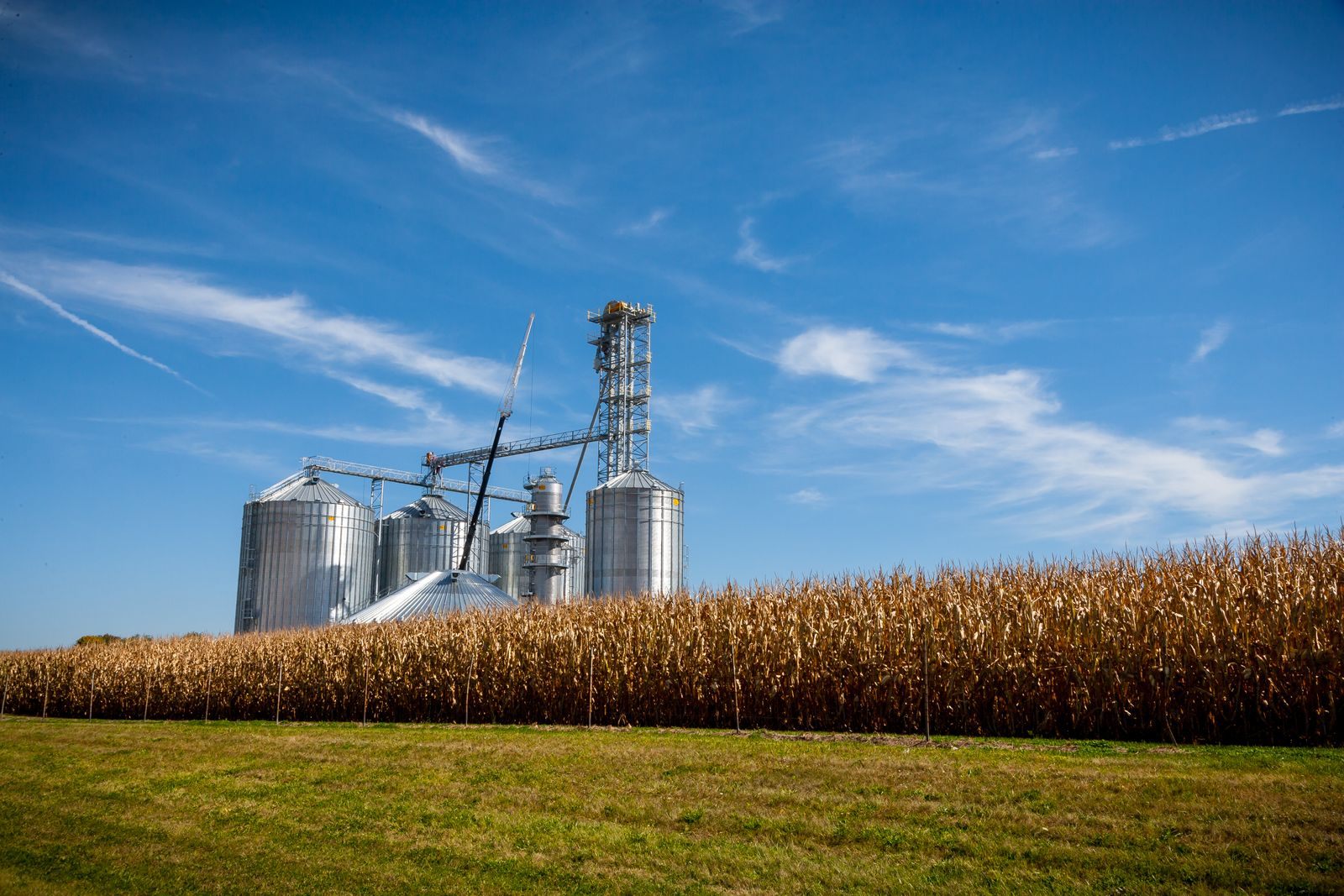
Ethanol is an alcohol made by fermenting plant sugars. According to the AFDC ethanol basics page, about 94% of U.S. ethanol is produced from the starch in corn grain. Because it comes from crops grown each year it is classed as a renewable fuel, and because it has a higher octane number than gasoline it is a useful blending component for refiners.
The trade-off is energy: ethanol contains about one-third less energy per gallon than gasoline, so the more ethanol in the blend, the fewer miles per gallon you get. See myths and facts for the official numbers.

Who Uses What

Everyday drivers
E10 works in every gasoline car. If your car is 2001 or newer, E15 is federally approved too. Flex fuel owners can also use E85.
Can my car use E15? →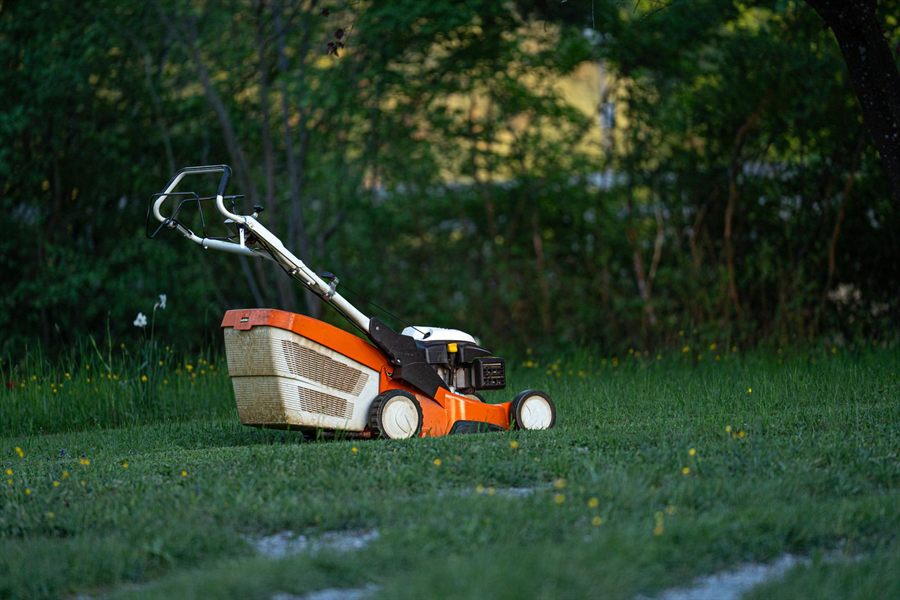
Small engines and boats
Mowers, chainsaws, boats and other off-road engines must not use E15 or higher. Many owners prefer ethanol free gas for stored fuel.
Ethanol-free gas →
Fleets
Flex fuel vehicles help some government and fuel-provider fleets meet federal alternative fuel vehicle requirements.
Ethanol for fleets →Finding E85 and E15 Near You
The Alternative Fuels Data Center station locator lets you search for E85 stations by address or along a route, and filter by fuel type. Station information changes, so check the pump label when you arrive: pumps that dispense E15 must be labeled, and E85 pumps are marked as flex fuel for FFVs only.
Planning a road trip in a flex fuel vehicle? Check the locator along the whole route rather than assuming every town has E85, and keep in mind that you can always fall back on regular gasoline.
Ethanol Fuel Questions
What is ethanol fuel?
Ethanol is a renewable alcohol fuel made from plant material. In the United States nearly all of it is made from the starch in corn grain. It is blended into gasoline in different amounts, from about 10% in ordinary pump gas to as much as 83% in E85 for flex fuel vehicles.
Is there ethanol in regular gas?
Usually, yes. Most U.S. gasoline contains up to 10% ethanol (E10), and all automakers approve E10 for their gasoline vehicles. Ethanol raises octane, and lower-octane gasoline is blended with ethanol to reach regular 87 octane.
Can any car use E85?
No. E85 is only for flex fuel vehicles. It is not approved for gasoline-only models. See our flex fuel vehicles page for how to tell whether you have one.
Your owner’s manual comes first. Federal approval of a fuel is not the same as your vehicle or engine maker recommending it. Check the manual or the label inside the fuel door before switching blends, and follow the warranty terms for your vehicle, boat or equipment.
Find an Ethanol Station
Search the U.S. Department of Energy’s station locator for E85 and other alternative fuels near you or along your route.
Open the Station Locator