Ethanol Fuel Myths and Facts
Common claims about ethanol, checked against official sources.
FuelEconomy.gov FactsEthanol fuel attracts strong opinions. Here are common claims, checked against the Department of Energy and EPA.
| Claim | What the official sources say |
|---|---|
| “Ethanol gives worse mileage.” | True, and the size depends on the blend. FuelEconomy.gov: about 3% to 4% fewer miles per gallon on E10, 4% to 5% on E15, and roughly 15% to 27% fewer for flex fuel vehicles on E85, compared with gasoline. |
| “Ethanol ruins car engines.” | All automakers approve E10 for their gasoline vehicles, and EPA has approved E15 for 2001 and newer light-duty vehicles. Higher blends are only for flex fuel vehicles. |
| “Any car can run on E85.” | False. E85 is only approved for flex fuel vehicles. |
| “Small engines can use any pump gas.” | False. E15 and higher are prohibited in lawn mowers, chainsaws, boats, snowmobiles and motorcycles; E10 is allowed. |
| “E85 makes a car slow.” | Drivers notice little difference besides mileage, and many FFVs accelerate better on higher ethanol blends. |
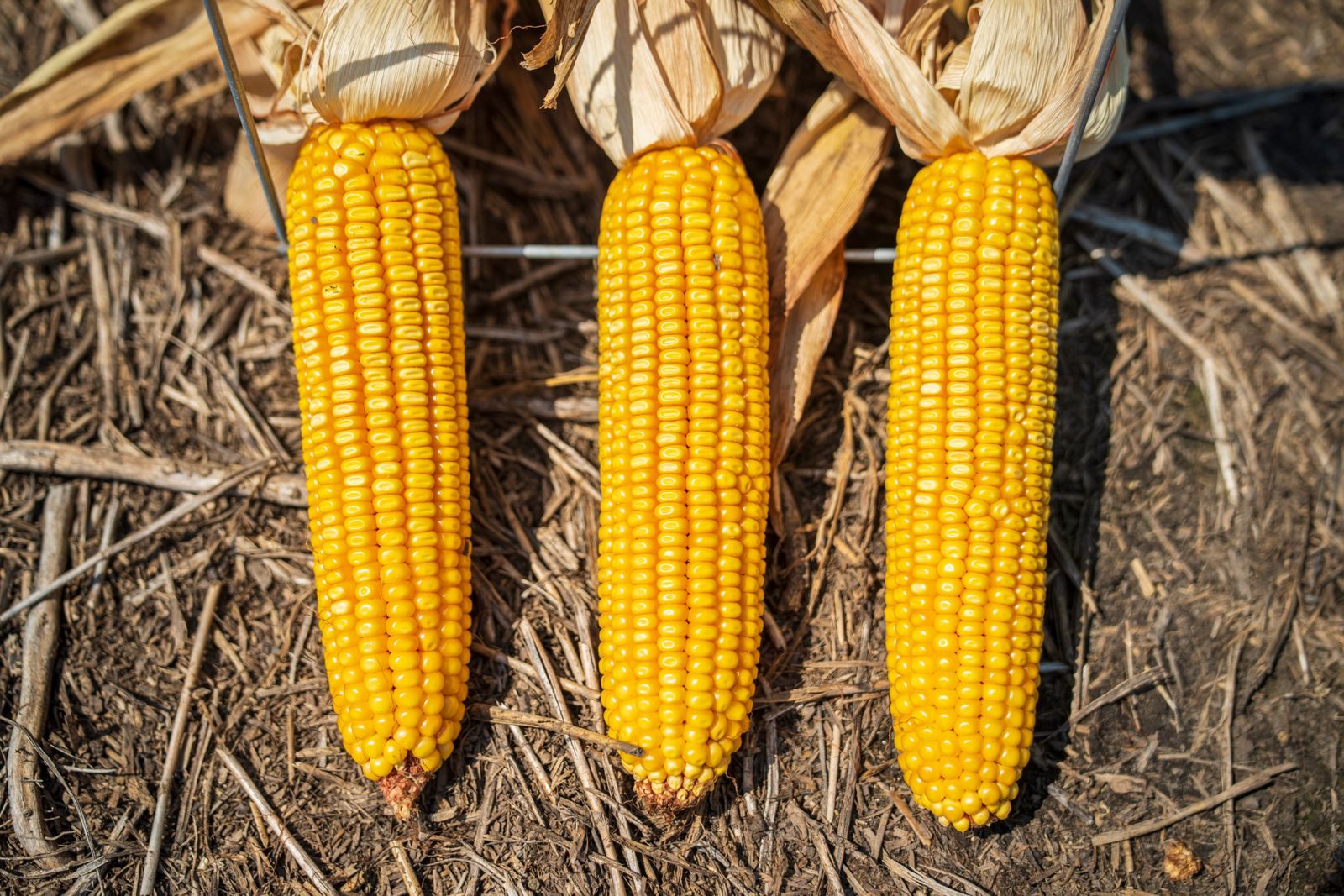
| “Ethanol is all from corn.” | Mostly. About 94% of U.S. ethanol comes from corn starch; it can also be made from other plant material. |
Why Mileage Drops
It comes down to energy content. Ethanol contains about one-third less energy than gasoline, so a gallon of fuel with more ethanol in it moves the car a little less far. With E10 the difference is small; with E85 it is large enough that flex fuel owners notice more frequent fill-ups.
That is why comparing fuels by cost per mile, rather than per gallon, gives a fairer picture. FuelEconomy.gov lists ratings on both gasoline and E85 for flex fuel models.

Octane and Ethanol
Ethanol has a higher octane number than gasoline. Refiners use that property: lower-octane gasoline is blended with 10% ethanol to reach the standard 87 octane sold as regular.
Is Ethanol Renewable?
Yes. The Department of Energy describes ethanol as a renewable fuel made from plant material collectively called biomass. Whether a particular gallon reduces emissions overall depends on how the crop was grown and the fuel was made, which is a more complicated question than a single number can answer; the Alternative Fuels Data Center covers it in more depth.
Where to Check Claims Yourself
- Fuel economy by blend: FuelEconomy.gov.
- Which vehicles can use which blend: Alternative Fuels Data Center.
- Is your car an FFV: FuelEconomy.gov’s flex-fuel guide.
- Station locations: Alternative Fuels Data Center station locator.
Quick Checks
Does E10 hurt fuel economy enough to notice?
FuelEconomy.gov puts the drop at about 3% to 4% compared with straight gasoline. Most drivers won’t notice it day to day, especially since most U.S. gasoline already contains ethanol.
Is ethanol fuel safe for older cars?
E10 is approved for all conventional gasoline vehicles. E15 is only approved for model year 2001 and newer light-duty vehicles and flex fuel vehicles, so older cars should stay with E10 or ethanol-free gas.
Your owner’s manual comes first. Federal approval of a fuel is not the same as your vehicle or engine maker recommending it. Check the manual or the label inside the fuel door before switching blends, and follow the warranty terms for your vehicle, boat or equipment.
See the Fuel Economy Facts
Read FuelEconomy.gov’s explanation of ethanol and miles per gallon, from E10 to E85.
Read on FuelEconomy.gov